Poison Ivy Removal in Bel Air, MD
Poison ivy removal services focus on safely eliminating this invasive plant from residential properties, helping homeowners maintain a safe and attractive outdoor environment. These projects typically involve identifying and removing poison ivy from lawns, gardens, wooded areas, fences, and other landscape features. Property owners often seek this service to prevent skin irritation, protect children and pets, and improve the overall appearance of their yard by removing unsightly and potentially hazardous plants.
Before requesting poison ivy removal, property owners usually want to understand the extent of the infestation and the best methods for removal. Clarifying whether the plant is growing in hard-to-reach areas or near valuable landscaping can influence the approach taken. Additionally, understanding the importance of proper disposal and whether follow-up treatments are recommended can help ensure the plant does not regrow. This information can assist in planning an effective removal strategy tailored to the specific needs of the property.
Many property owners in Bel Air, MD look into Poison Ivy Removal for repairs, replacements, upgrades, and appearance-related improvements.
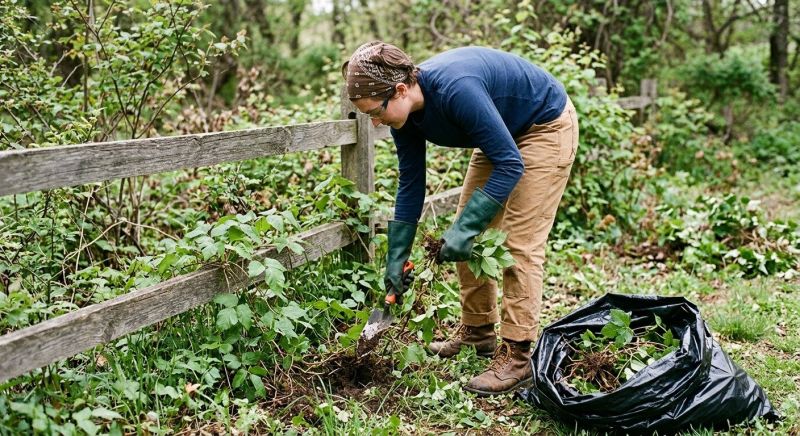
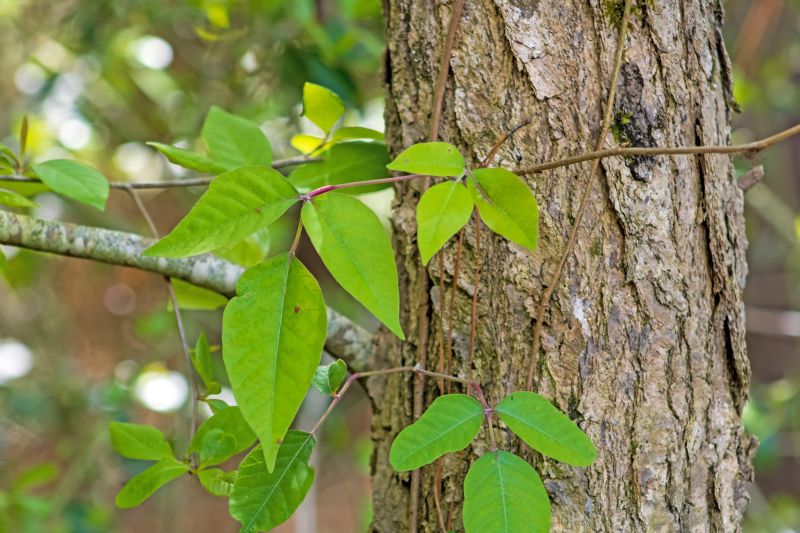
Identifying Poison Ivy
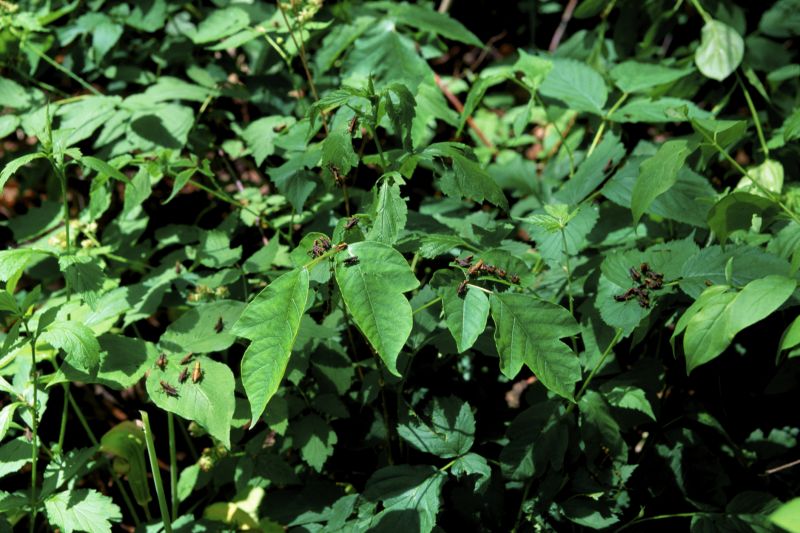
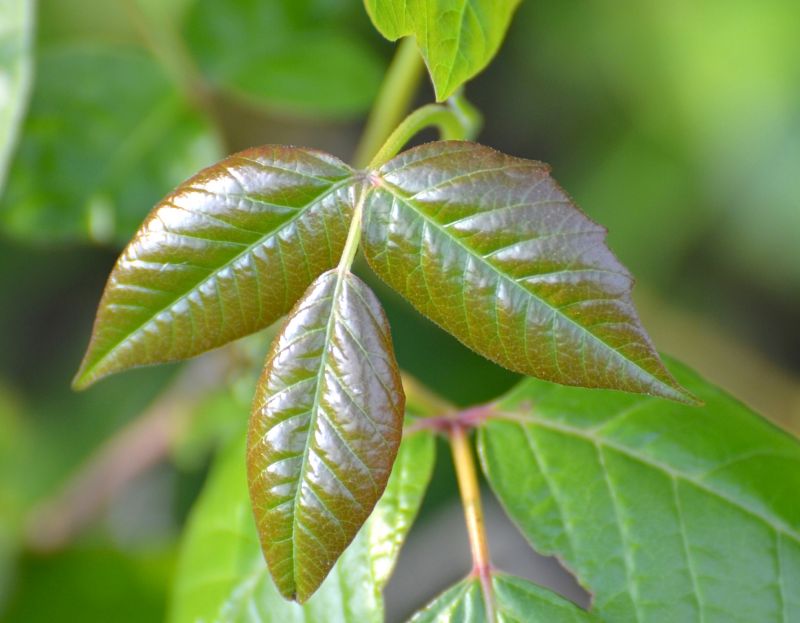
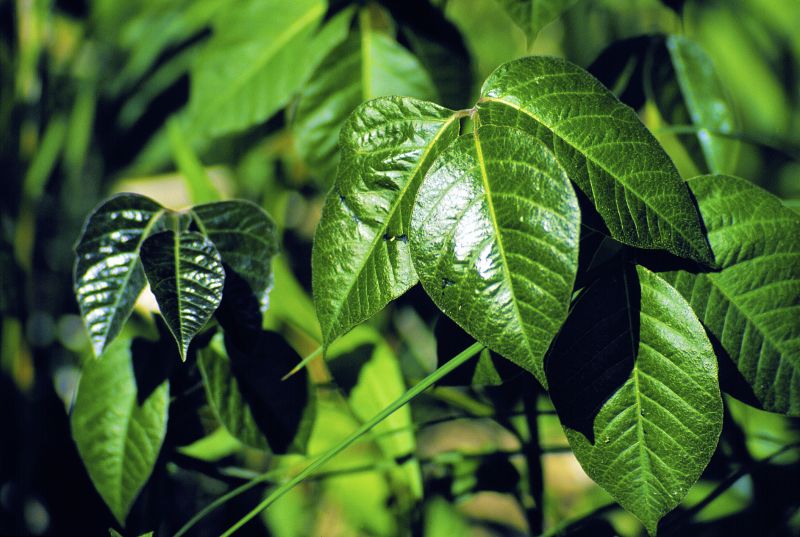
Understanding how to recognize poison ivy helps protect your property and health.
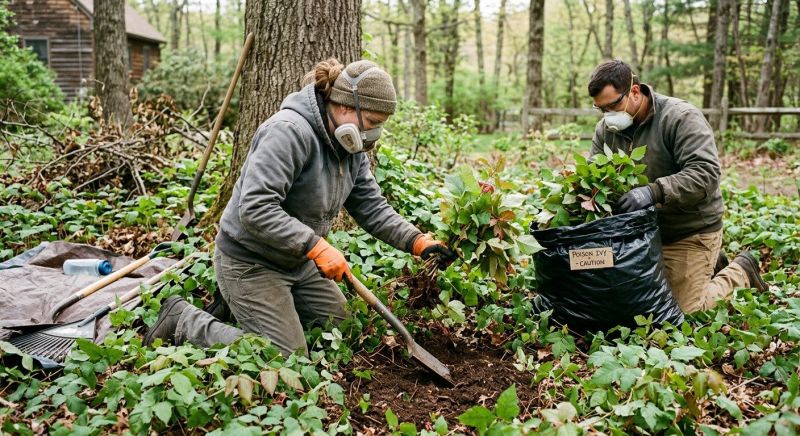
Safe Removal Techniques
Proper removal methods ensure the plant is eliminated without spreading or causing harm.
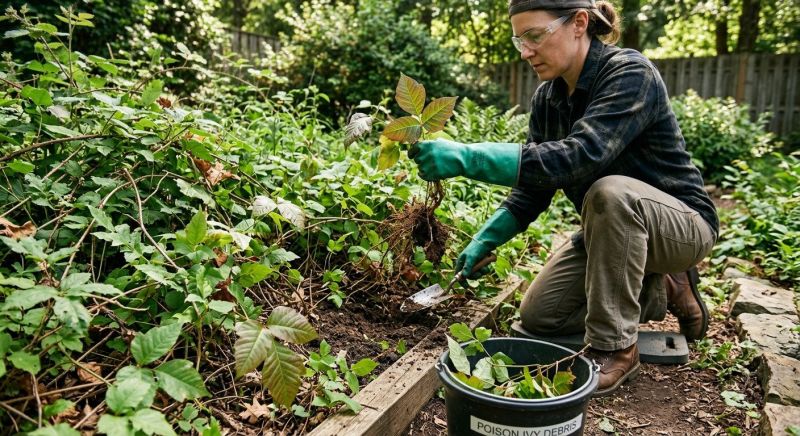
Preventative Measures
Implementing strategies can reduce future growth and keep your outdoor spaces safe.
Poison Ivy Removal in Bel Air, MD
Poison ivy removal services focus on safely eliminating this invasive plant from residential properties, helping homeowners maintain a safe and attractive outdoor environment. These projects typically involve identifying and removing poison ivy from lawns, gardens, wooded areas, fences, and other landscape features. Property owners often seek this service to prevent skin irritation, protect children and pets, and improve the overall appearance of their yard by removing unsightly and potentially hazardous plants.
Before requesting poison ivy removal, property owners usually want to understand the extent of the infestation and the best methods for removal. Clarifying whether the plant is growing in hard-to-reach areas or near valuable landscaping can influence the approach taken. Additionally, understanding the importance of proper disposal and whether follow-up treatments are recommended can help ensure the plant does not regrow. This information can assist in planning an effective removal strategy tailored to the specific needs of the property.
Many property owners in Bel Air, MD look into Poison Ivy Removal for repairs, replacements, upgrades, and appearance-related improvements.
Common Poison Ivy Removal Jobs
Poison Ivy Removal - Safe elimination of poison ivy from lawns, gardens, and landscape areas.
Poison Ivy Removal - Clearing infested trees, fences, or structures to prevent spread.
Poison Ivy Removal - Targeted removal of plants growing along walkways and driveways.
Poison Ivy Removal - Complete eradication to protect children, pets, and visitors.
Poison Ivy Removal - Removal of roots and underground vines to prevent regrowth.
Poison Ivy Removal - Professional assessment to identify and address poison ivy hazards.
Poison Ivy Removal Questions
What is poison ivy removal? Poison ivy removal involves safely eliminating the plant to prevent skin irritation and prevent its spread on the property.
When should poison ivy be removed? Removal is recommended when poison ivy is found in areas accessible to people or pets, especially near lawns, walkways, or play areas.
What methods are used for poison ivy removal? Techniques include manual removal, herbicide application, and root removal to ensure complete eradication.
Is professional poison ivy removal necessary? Professional removal helps ensure safe and effective elimination, especially for large or hard-to-reach infestations.
Request Poison Ivy Removal in Bel Air, MD
Use the quote form on this page to share the basics of your project and request more information for the type of work you need.